Months
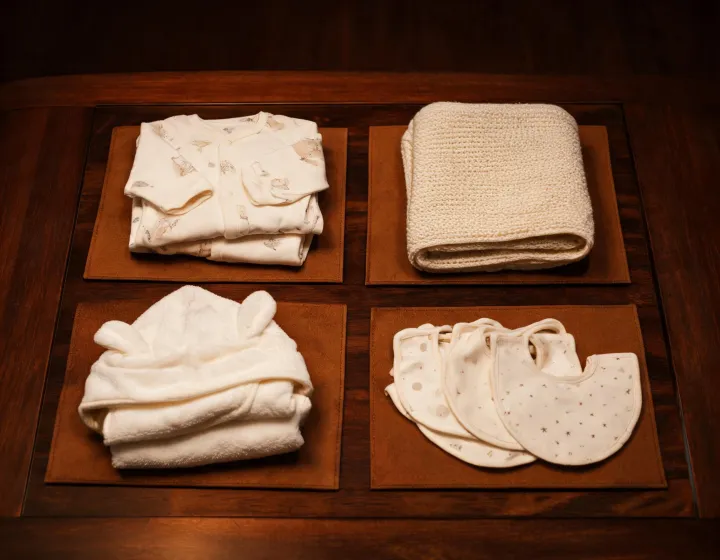
Choose swaddles, gowns, washcloths, hooded towels, and easy first layers that support frequent changes and gentle handling.
Use a data-style view of age, routine, fabric feel, and gift context to decide which pajamas, clothing, blankets, towels, bibs, and nursery textiles belong in the next cart.
The dashboard format comes from the SUS-B structure, but the content is a practical buying guide for baby clothing and nursery textiles.
Choose swaddles, gowns, washcloths, hooded towels, and easy first layers that support frequent changes and gentle handling.
Look for stretch pajamas, socks, bibs, and clothing that survive movement, snacks, naps, and fast growth.
Sleep, bath, dressing, and gifting cover most textile decisions. If an item does not serve one of those routines, reconsider the purchase.
Gift bundles become more useful when they include one immediate size and one growth size, especially for shower or holiday buying.
Use this when building a first drawer: bodysuits, sleepers, swaddles, towels, washcloths, and one dependable blanket.
Match fabric weight, room temperature, and growth stage so pajamas feel comfortable without creating a crowded drawer.
Plan a shower, birthday, or holiday gift around useful textile groups instead of one-size novelty pieces.
Start with swaddles, washcloths, newborn bodysuits, and a receiving blanket. The goal is a calm first drawer, not a complete year of clothing.
Once caregivers know laundry pace and room temperature, add sleepwear, crib sheets, and a blanket that fit the actual bedtime routine.
When feeding becomes more active, extra bibs, burp cloths, washcloths, and towels reduce pressure between wash cycles.
Plan the next pajama and clothing size before everything feels tight at once, especially before travel, daycare changes, or colder weather.
Share the child's age, season, and gift or care routine. We will suggest a practical textile mix without pushing unrelated categories.